

Oil in water analysers and monitors
Compare portable oil in water analysers, continuous online monitors and chlorophyll-A measurement instruments from PMA.
Choose your analyser or monitor
Start with the measurement target and whether you need portable sample analysis or continuous online monitoring. Each product below leads to its own detailed application and specification page.

TD-550 portable oil-in-water analyser
Portable grab-sample analysis for crude oil, diesel, lubricating oils and other heavier petroleum hydrocarbons.

TD-560 portable oil-in-water analyser
Dual-channel portable analysis for heavier oils plus lighter hydrocarbons such as BTEX, gasoline and condensates.
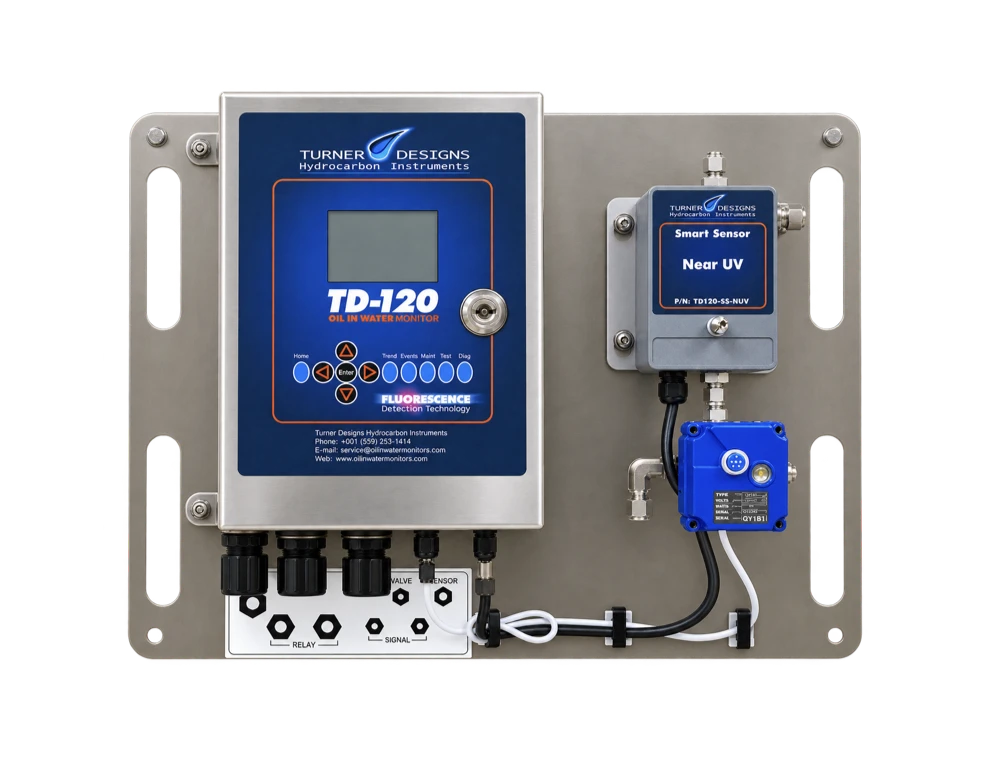
TD-120 online oil-in-water monitor
Continuous oil detection for leak warning, process protection, treatment trending and plant-control integration.
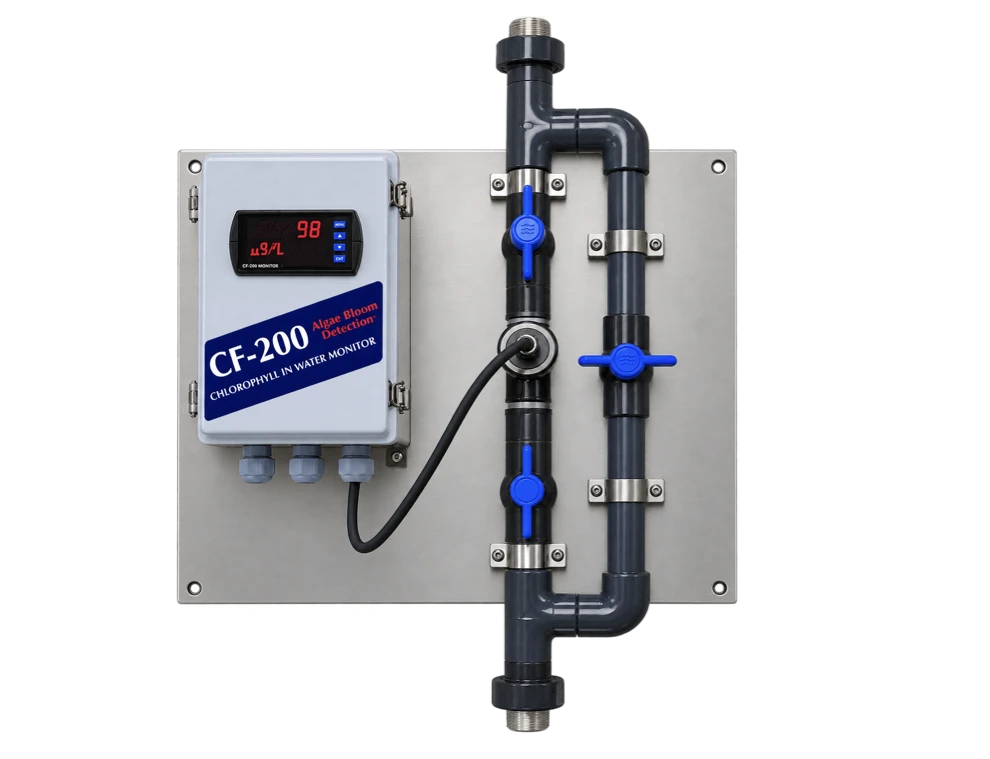
CF-200 algae bloom monitor
Continuous chlorophyll-A measurement for early algae-bloom indication in fresh-water and seawater applications.
Choose by monitoring requirement
Portable Oil-in-Water Analysers
Choose portable oil-in-water analysis for grab samples, treatment checks and investigations across multiple sampling points.
Oil-in-Water Monitor Guide
Understand continuous hydrocarbon monitoring, sample handling, alarms and how the TD-120 fits.
Chlorophyll-A Monitoring
Follow changes in chlorophyll-A to support algae-bloom awareness and water-intake operating decisions.
TD-550 vs TD-560
Compare the two portable platforms and their hydrocarbon targets.
Four fluorescence instruments. One focused product range.
Choose portable grab-sample analysis or continuous online monitoring according to the target, water matrix and operational objective.
01 / PORTABLE ANALYSIS
TD-550 and TD-560 analysers
Use touchscreen-guided grab-sample testing from low ppb levels to 5000 ppm, depending on the target hydrocarbon.
- Heavy and light-oil options
- Battery or mains operation
- Flexible extraction methods
02 / ONLINE MONITORING
TD-120 and CF-200 monitors
Track oil in water or chlorophyll-A continuously, with local indication and outputs for alarms, trending and plant integration.
- Continuous measurements
- 4-20 mA integration
- Low routine maintenance
Choose the right monitoring route
A clear application definition determines the appropriate instrument, calibration, sampling method and process integration.
01.
Identify the target
Define the oil, hydrocarbon group or chlorophyll-A measurement required.
02.
Choose the sampling mode
Decide between portable grab-sample analysis and continuous online monitoring.
03.
Set the measuring range
Confirm normal values, alarm levels and the maximum expected concentration.
04.
Review the water matrix
Consider salinity, solids, background fluorescence, temperature and pressure.
05.
Confirm calibration
Use representative standards or target material and agree the reporting basis.
06.
Plan the outputs
Define local results, data export, alarms and connection to plant control.
Oil in water analyser and monitor questions
These answers explain the main measurement choices before a detailed application review.
What is the difference between a portable analyser and an online monitor?
A portable analyser measures individual grab samples from one or more locations. An online oil in water monitor measures a flowing sample continuously and can provide alarms, trends and plant-control outputs. TD-120 is the continuous oil-monitoring option in this range.