

A sophisticated analyser cannot correct an unrepresentative sample. Oil may float, form droplets, collect on solids or adhere to containers and pipework. Sampling design therefore has a direct effect on the result.
Define the sampling objective
State whether the sample is intended to measure an inlet, confirm treatment performance, investigate a leak, compare with a laboratory or demonstrate compliance. The correct location and timing follow from that decision.
Choose a representative location
- Avoid stagnant branches unless the stagnant volume is the subject of the investigation.
- Allow sufficient flushing before taking a grab sample from a sample line.
- Consider whether the sample point captures the full stream or only one phase.
- Document flow, pressure and temperature when they may affect separation.
- Use aligned locations and timing for paired instrument and laboratory samples.
Control containers and transfers
Use containers and preparation materials compatible with the written method. Minimise unnecessary transfers because oil can remain on surfaces. Keep container type, fill volume and headspace consistent when they affect the procedure.
Mix without changing the sample
A sample may require controlled mixing before a representative aliquot is taken, but excessive shear can change droplet size or create an emulsion. Follow one documented technique and apply it consistently.
Record preservation and holding time
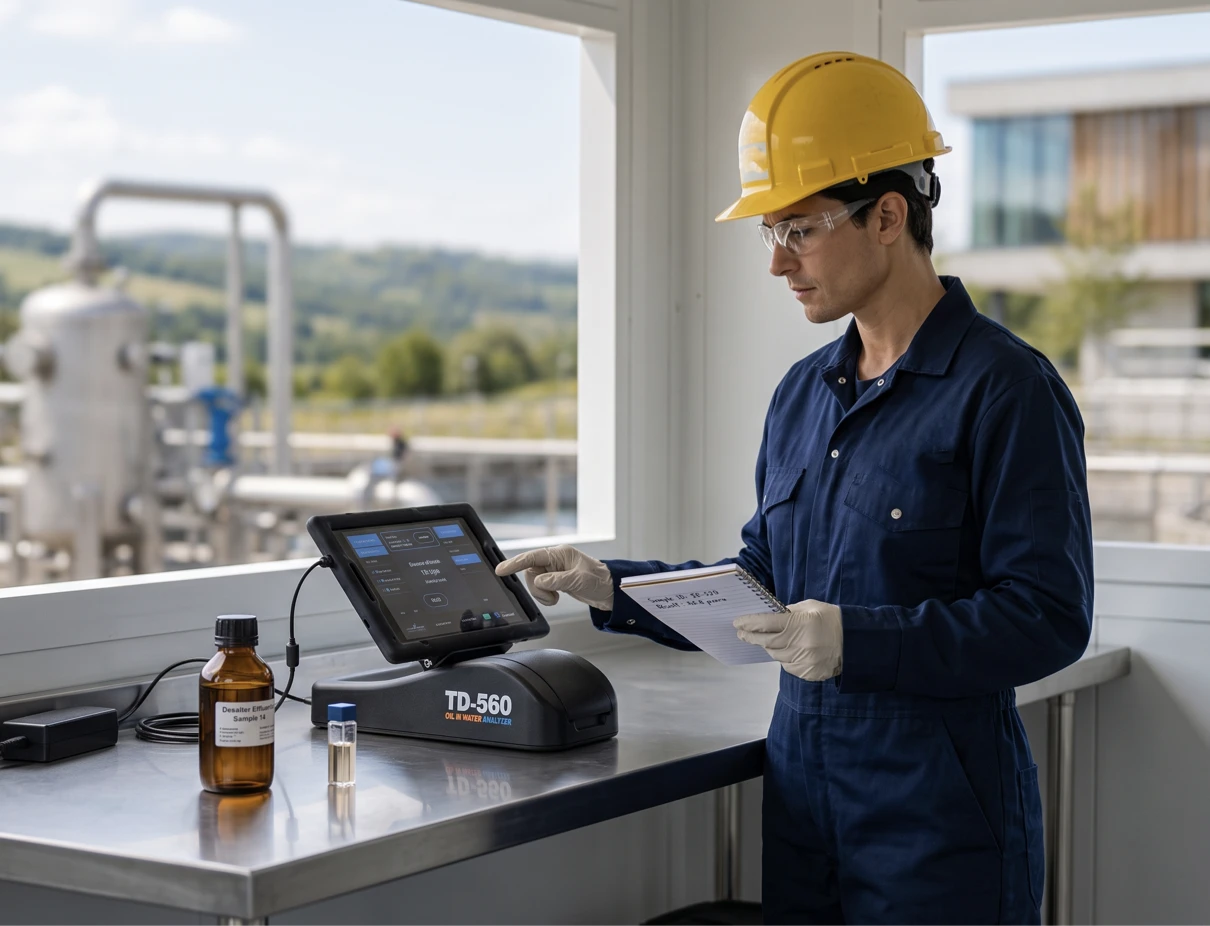
Storage temperature, light exposure and delay before analysis can change a sample. Follow the applicable reference method or site procedure. If rapid field screening is the objective, analyse as close to collection as practical and record the elapsed time.
Quality-control samples
- A field blank to identify contamination introduced during sampling.
- Duplicate samples to assess sampling and preparation variability.
- A calibration verification standard to check instrument response.
- Paired samples for comparison with an agreed laboratory method.
Continuous sidestream sampling
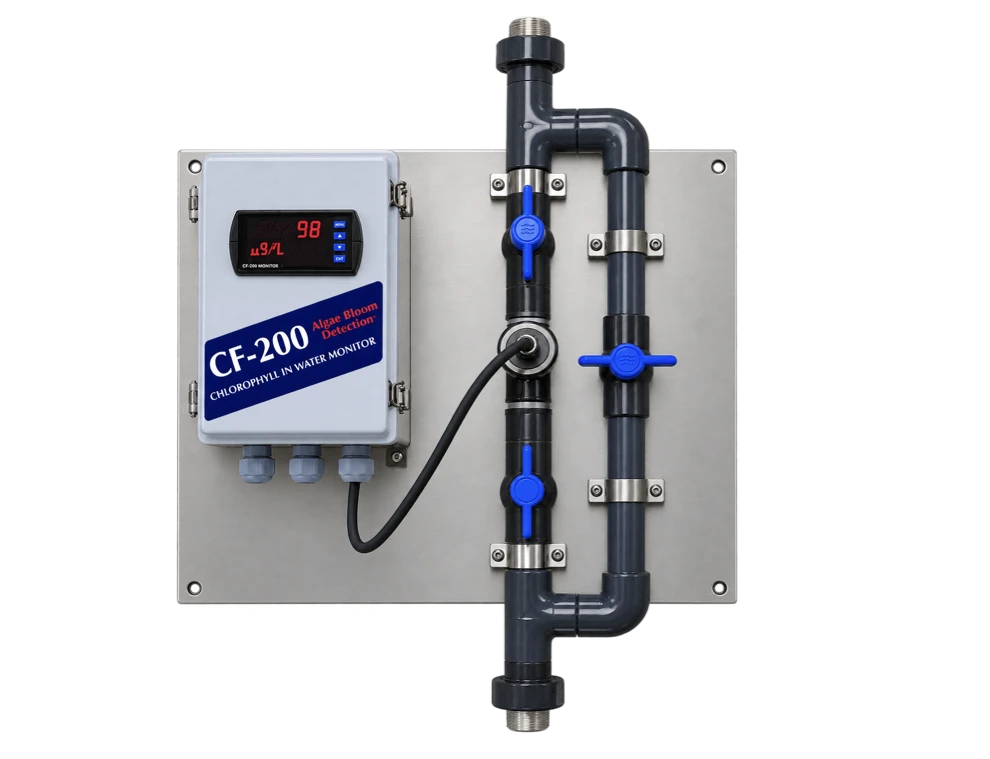
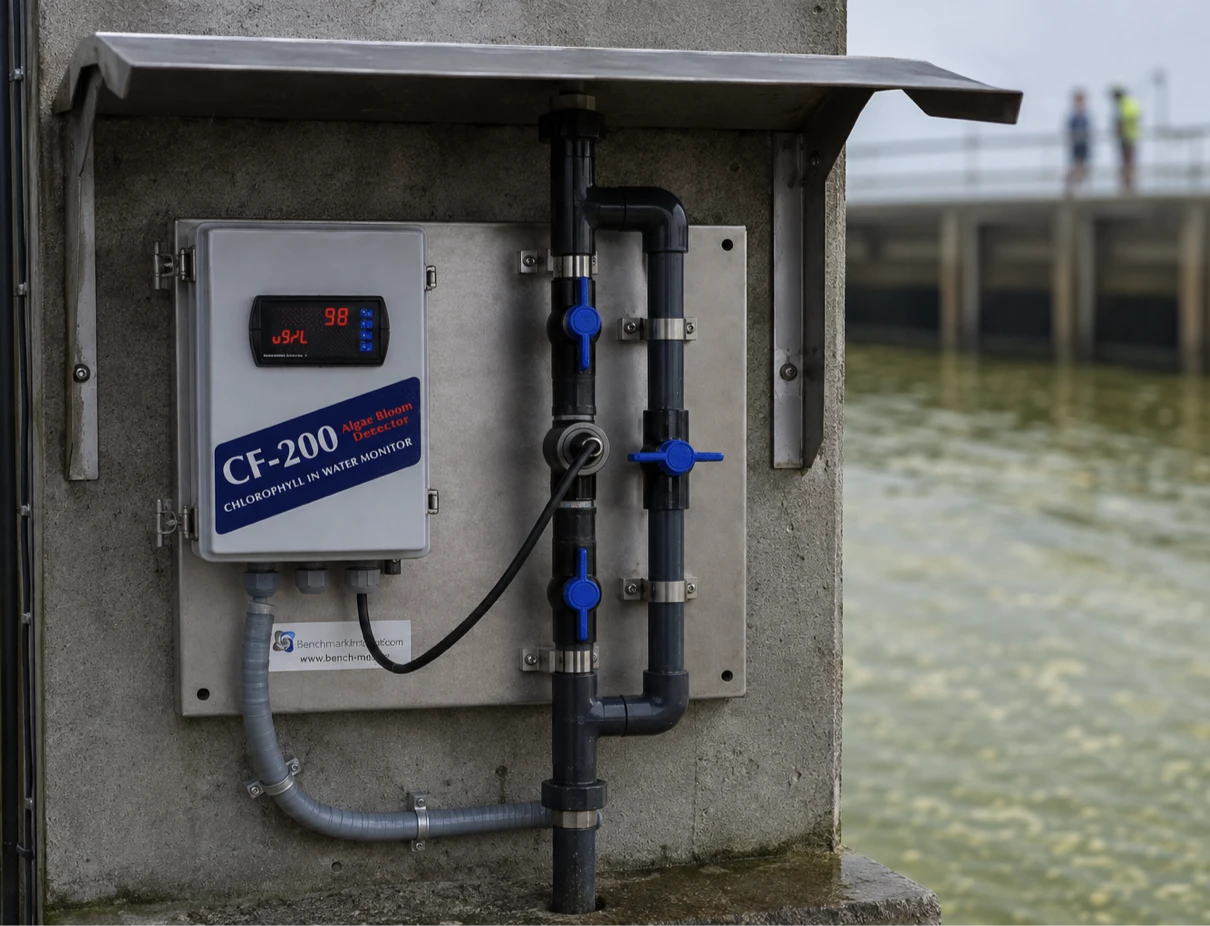
An online system needs representative sample transport, stable flow and a maintainable optical cell. Avoid layouts that encourage gas pockets, settling or long delays. See continuous monitoring for produced water and wastewater.
Plan the sample before selecting the analyser
Contact PMA with a process sketch, sample conditions and the decision the measurement must support. Sampling limitations can then be addressed during instrument selection.